Sell Damaged Motorcycle
Share the make, model, year and condition of your motorcycle. We Buy Motorcycles reviews enquiries and discusses terms and collection if agreed.
Request a Motorcycle Offer
Share the make, model, year and condition of your motorcycle. We Buy Motorcycles reviews enquiries and discusses terms and collection if agreed.
 Honda
Honda Yamaha
 Suzuki
 Kawasaki
 BMW
BMW Ducati
 A damaged bike can sit there longer than you planned, especially when panels are cracked, the engine will not start, or the frame has taken a hit. If you want it moved on without dragging out private enquiries, a direct buyer can make the next step simpler.
we buy motorbikes assesses damaged motorcycles by make, model, year, condition, and location across our Australian service areas, then discusses purchase terms and collection if agreed. You can send the details from the form above, call 0493 825 076, or ask a question before you decide.
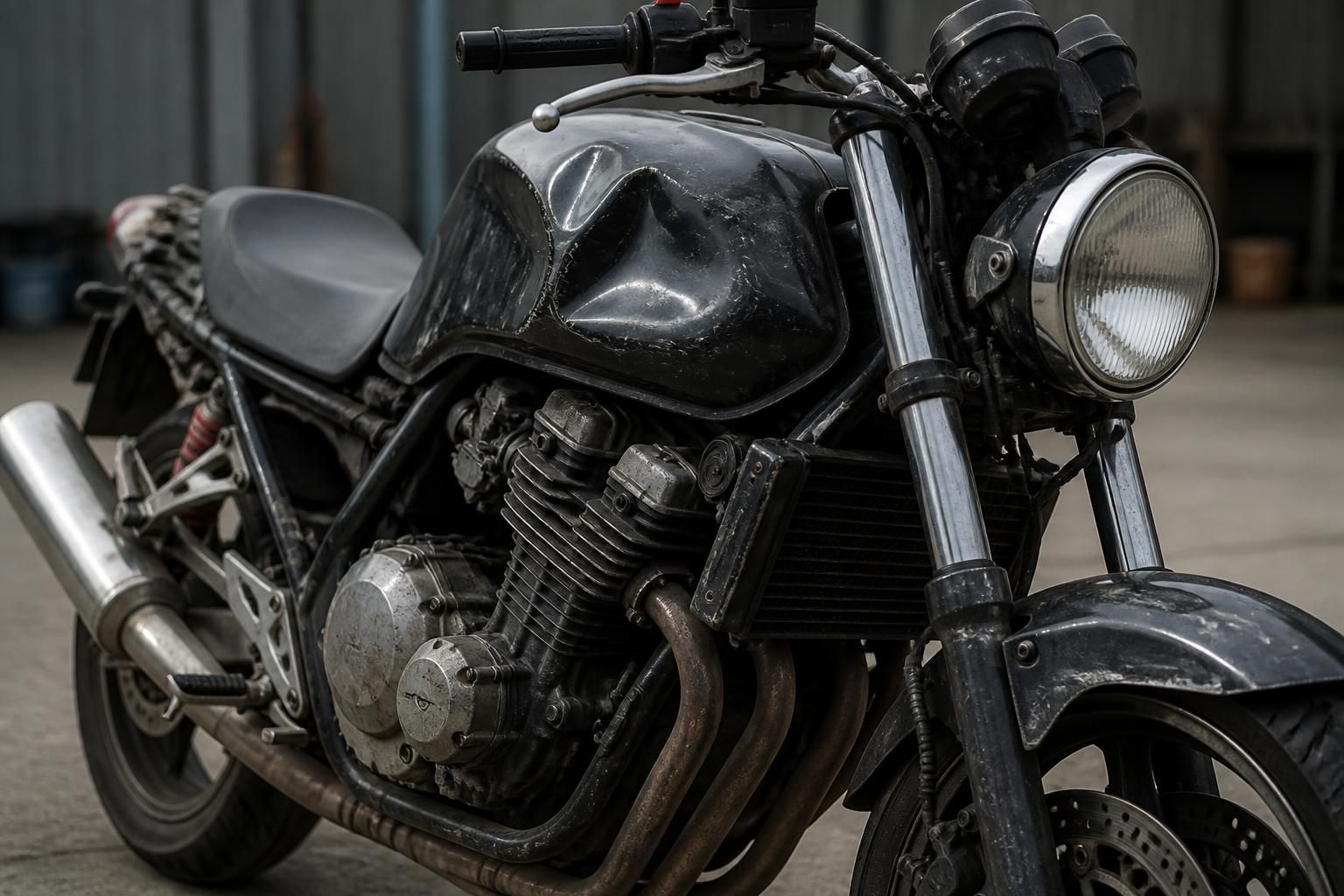
Damaged motorcycles come through for many different reasons. Some still roll and start, while others are missing parts, leaking, or too awkward to keep advertising privately. The key is to give a clear description so we can review the bike against what you actually have.
Useful details to include:
That information helps us understand whether the motorcycle is a straightforward repair project, a parts bike, or a machine that needs more careful inspection before any next step.
Every damaged bike is different, so assessment starts with the basics rather than a scripted offer. We look at the make, model, year, condition, and where the bike is located, then we discuss the purchase terms if the motorcycle suits what we are looking to buy.
Use the hero form with the bike information, a clear message, and your contact details. Photos can help describe damage, but the written details still matter.
Tell us what is damaged, what still works, and whether the bike is complete. A bike with cosmetic damage can be very different from one with mechanical or structural issues.
If the motorcycle fits, we discuss terms and collection. If it does not suit, you still know where things stand without chasing random callbacks.
This approach keeps the process practical and avoids confusion about a bike that may look repairable at first glance but needs a closer look once the details are clear.
Not every damaged motorcycle presents the same way, and the factors below often shape whether a bike is worth pursuing.
A bike with its key parts still present is easier to assess than one with missing fairings, controls, or wheels. Even if the motorcycle does not run, completeness helps tell the story of the bike.
Cosmetic damage, tip-over marks, and broken plastics are very different from bent components, impact damage, or electrical problems. Be specific so the condition is understood from the start.
the motorcycle location matters because collection discussion depends on access, storage, and where the bike is sitting. Tight access, stairs, or difficult loading space are worth mentioning early.
Make, model, and year help narrow the assessment. If the year is unknown, the registration papers, VIN, or clear photos can still help describe the bike accurately.
Damaged motorcycles vary widely, and different bikes suit different outcomes. We look at the whole picture rather than one symptom alone.
If the bike still has value as a project or parts source, that will usually come through once the condition is described clearly. If it is better suited to removal than repair, say that plainly so we can review it accurately.
If we decide to move ahead, collection is part of the discussion. We confirm access details, the bike’s condition, and the location in our Australian service areas before anything is arranged. That helps avoid surprises on the day and keeps the process straightforward.
It also helps to prepare the motorcycle before collection talk:
When a damaged motorcycle is difficult to move, those access notes matter just as much as the damage description itself.
Owners choose to sell damaged motorcycles for a lot of practical reasons. Some want to clear space. Others do not want to keep spending time on ads, messages, and tyre-kickers when the bike already needs work. Sometimes the damage is obvious, and sometimes the time needed to fix it simply does not make sense.
Selling directly can suit bikes that are:
That is where a direct buyer can make the decision easier. You get a clear response based on the bike’s details rather than hoping someone will see the same value you do.
If you contact we buy motorbikes, keep the description simple and accurate. The best outcome starts with the facts: what the motorcycle is, what damage it has, where it is, and whether it is ready for collection discussion. A few clear lines can save a lot of back and forth.
For many motorcycle owners in our listed Australian areas, the main relief is no longer having to explain the same damaged bike to multiple buyers. One direct enquiry, one assessment, and one practical next step is often enough.
Start with the make, model, year, condition, and your suburb and collection location. Then add a short description of the damage and whether the bike starts, rolls, or has missing parts.
Yes, crash damage can still be reviewed. The condition details matter, especially if the frame, forks, wheels, or controls have been affected.
No repair is required before you ask for an assessment. It is better to describe the bike as it sits now so the review is based on its current condition.
If the year is unknown, send the other key details and any useful photos or identification information you have. That is often enough to begin the assessment.
Yes, a bike that does not start can still be reviewed if you give a clear picture of the damage and overall condition.
Yes, if the motorcycle suits what we are looking to buy, collection is discussed along with the purchase terms and access details.
Start Here
Share the details that help us assess the motorcycle clearly, then we can follow up about the next step and any collection discussion if the bike suits what we buy.